
The Post-Pandemic Social Gap: Why Meeting People Feels Harder Than It Used To
Digital life kept us connected when the world paused. Now the harder work is rebuilding the confidence, context, and community that make real-world connection feel possible again.

For many people, the city is full again, but connection still feels strangely difficult. This piece follows the quiet social aftershocks of the pandemic and the new role technology can play when it helps people meet offline.
Introduction
Not long ago, meeting new people felt effortless. Conversations started naturally in classrooms, cafés, workplaces, and social gatherings. Friendships often formed through chance encounters, shared experiences, or simple daily interactions. Whether it was talking to a classmate before a lecture or striking up a conversation at an event, social connection was woven into everyday life in ways most people barely noticed.
Then the world changed. The COVID-19 pandemic brought an unprecedented disruption to human interaction. Lockdowns, social distancing measures, remote work, and online education forced billions of people to adapt to a life with significantly reduced face-to-face contact. Technology stepped in to bridge the gap, allowing people to communicate, learn, and work from the safety of their homes. While these digital tools proved invaluable during a time of crisis, they also transformed the way people interact with one another.
Today, public spaces are busy once again. Universities are full of students, offices have reopened, and social events are happening everywhere. Yet many people continue to experience a lingering sense of disconnection. Starting conversations feels more difficult, meeting new people feels more intimidating, and forming meaningful relationships often seems harder than it was before the pandemic. Despite living in a world that appears socially active on the surface, many individuals find themselves struggling to build the connections they desire.
This phenomenon is not simply a matter of shyness or personality. The pandemic reshaped social habits, altered communication patterns, and changed the environments in which relationships naturally develop. It accelerated society's reliance on digital interaction while simultaneously reducing opportunities for spontaneous human connection. As a result, many people are now navigating a new social landscape that feels unfamiliar despite its apparent return to normality.
In this article, we will explore how the pandemic changed the way people connect, why loneliness and social anxiety remain surprisingly common, and what can be done to rebuild confidence, community, and meaningful relationships in a post-pandemic world. Understanding these changes is the first step toward bridging the social gap and creating stronger connections in an increasingly digital age.
The Great Social Pause
The COVID-19 pandemic created something that few generations had ever experienced before—a global pause in everyday social life. Almost overnight, bustling classrooms became empty, offices shifted to remote work, public gatherings were cancelled, and casual interactions that people once took for granted suddenly disappeared. Activities that formed the foundation of human connection, such as meeting friends, attending events, participating in clubs, or simply chatting with strangers, were replaced by isolation and uncertainty. For months, and in many cases years, people were forced to limit their interactions to a small group of individuals within their immediate surroundings.
This disruption had a profound impact on the way people socialize. Human beings develop communication skills through continuous practice and exposure to different social situations. Just as an athlete loses sharpness after a long break from training, social confidence can weaken when opportunities for interaction become limited. Many individuals spent extended periods communicating primarily through screens, reducing the frequency of face-to-face conversations that help build emotional awareness, confidence, and interpersonal skills.
Even after restrictions were lifted, the effects of this social pause did not disappear immediately. While society gradually returned to normal, many people found themselves feeling less comfortable in social environments than they had before. Conversations required more effort, approaching new people felt unfamiliar, and social gatherings became mentally exhausting for some individuals. The pandemic did not eliminate people's desire for connection; instead, it interrupted the routines and experiences that naturally helped them develop and maintain strong social relationships.
The Great Social Pause serves as a reminder that social interaction is not merely a leisure activity but an essential part of human well-being. The prolonged absence of regular, in-person communication changed habits, expectations, and comfort levels in ways that continue to influence how people connect today. Understanding this shift helps explain why rebuilding social confidence and forming meaningful relationships remains a challenge for many in the post-pandemic world.

Digital Comfort Became the New Normal
Technology became a lifeline during the pandemic. Video calls, messaging platforms, online communities, and social media helped people stay connected when physical interaction was impossible. Without these tools, the isolation experienced during lockdowns would have been far more severe. For many, digital communication became the primary way of maintaining friendships, attending classes, collaborating with colleagues, and even celebrating important life events.
However, digital communication offers a level of comfort that face-to-face interaction does not. Messages can be edited before being sent, responses can be delayed, and difficult conversations can be avoided entirely. People have greater control over how they present themselves online, reducing the pressure that often accompanies in-person interactions.
As months turned into years, many individuals grew increasingly accustomed to this style of communication. Returning to real-world social situations felt unfamiliar because face-to-face conversations require spontaneity, emotional awareness, and the willingness to deal with uncertainty. While technology successfully kept people connected, it also changed expectations about how communication should feel. This shift has contributed to why many people today find social interactions more exhausting or intimidating than they once did.

The Rise of Personal Bubbles
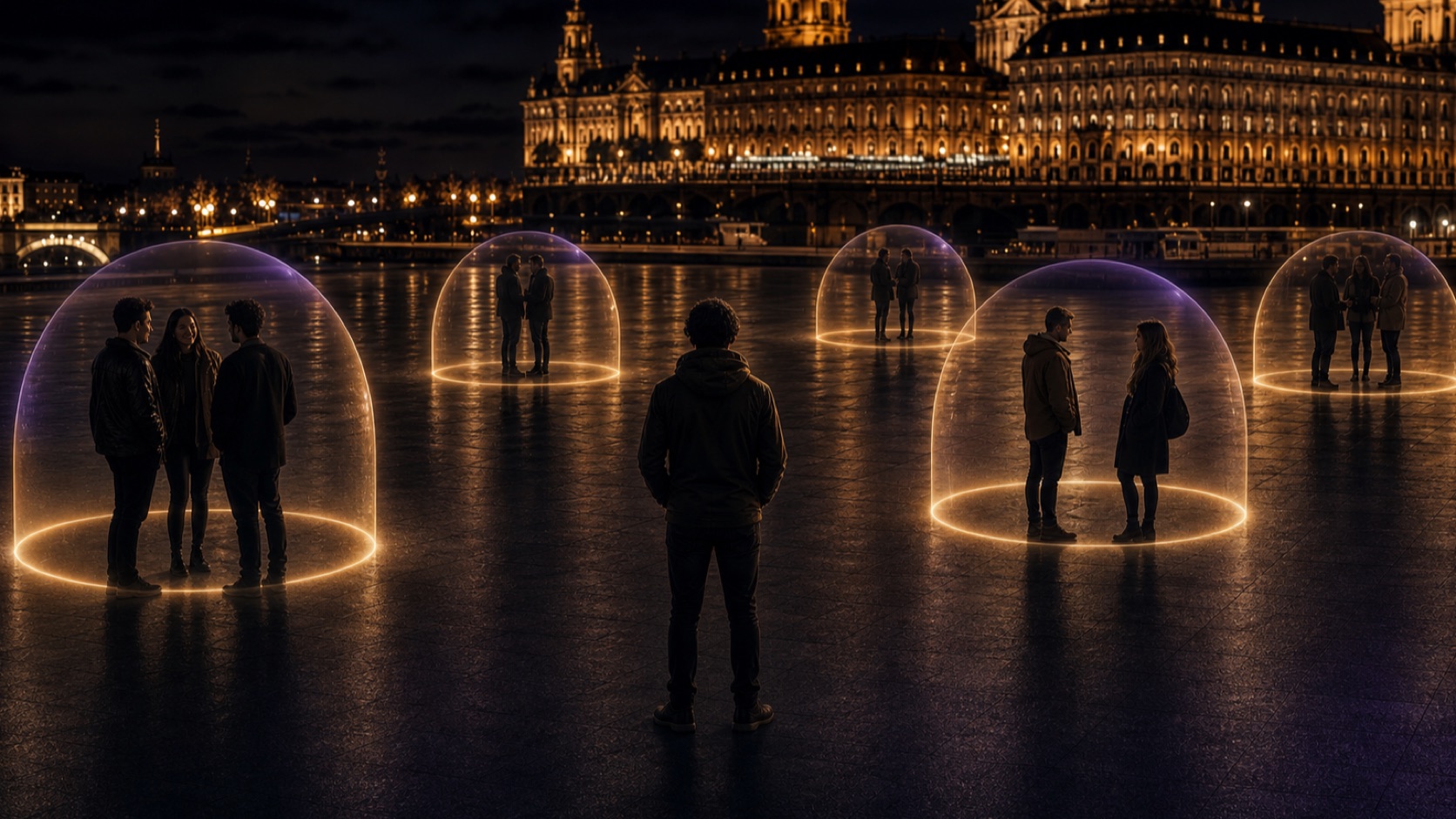
One of the less obvious effects of the pandemic was the creation of personal social bubbles. During periods of lockdown and social distancing, people naturally limited their interactions to family members, close friends, roommates, or a small group of trusted individuals. These circles provided comfort and stability during an uncertain time.
While these smaller social groups helped people cope with isolation, they also reduced opportunities to meet new individuals. Before the pandemic, friendships often developed through casual encounters in classrooms, cafeterias, libraries, workplaces, clubs, and community events. These seemingly insignificant interactions frequently became the foundation for long-term relationships.
When those opportunities disappeared, many people's social networks stopped expanding. Even after restrictions were lifted, some individuals remained within their established circles because it felt safer and more comfortable. As a result, many people today find themselves surrounded by familiar faces while struggling to create new connections outside of their existing social bubble.
Why Students Feel It the Most
University students have experienced some of the most significant social consequences of the pandemic. College is traditionally a period when young adults develop independence, build friendships, form professional networks, and learn important social skills that shape their future lives. Much of this growth occurs through daily interactions with classmates, professors, and campus communities.
The shift to online learning disrupted this experience for millions of students worldwide. Instead of meeting peers in lecture halls, participating in student organizations, or attending campus events, many spent months interacting through computer screens. Conversations that once happened naturally before and after class were replaced by muted microphones and virtual meeting rooms.
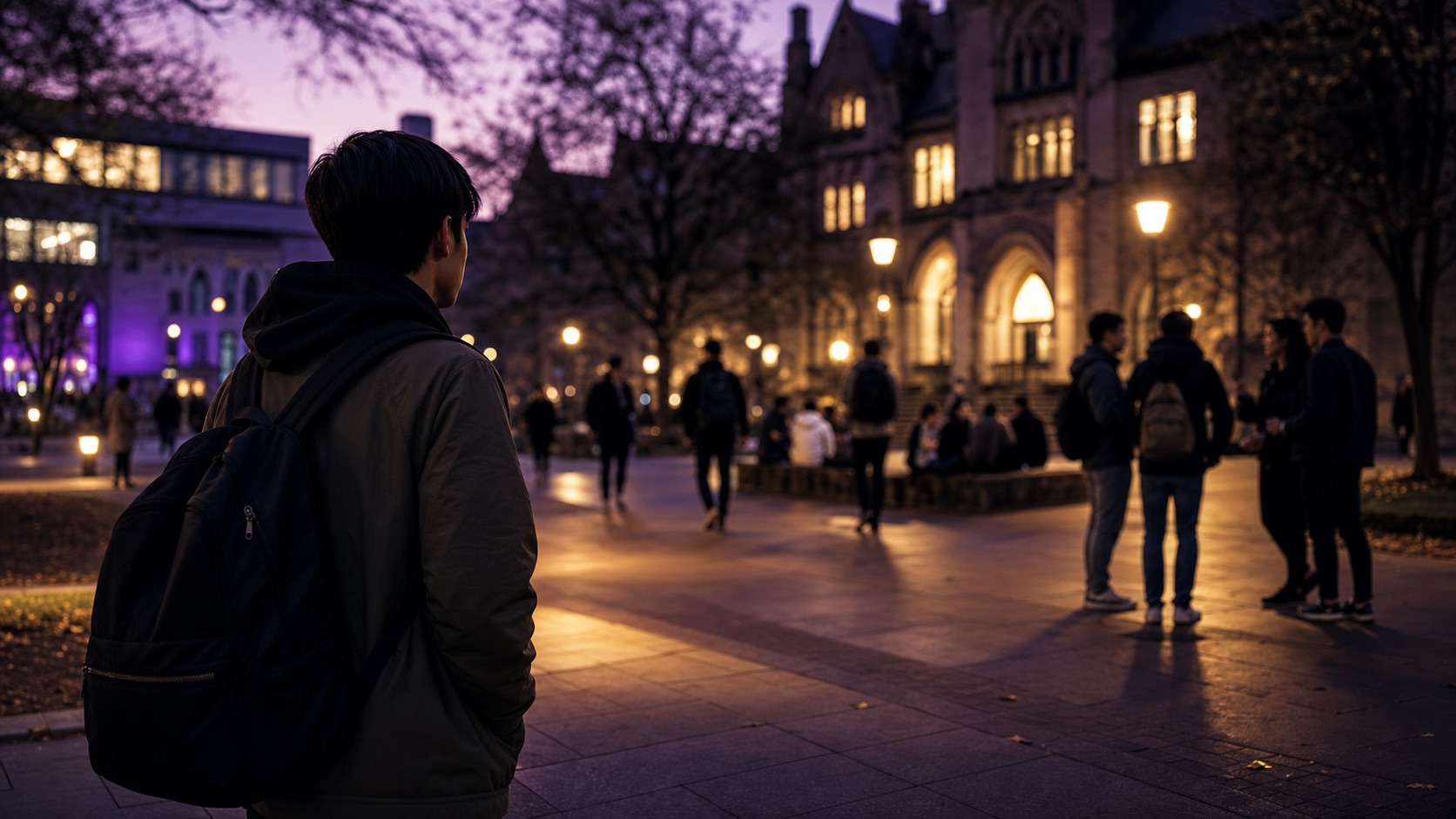
Even though campuses have reopened, the effects remain visible. Many students report feeling disconnected despite being surrounded by thousands of other students. Physical proximity alone does not guarantee meaningful relationships. For students who entered university during the pandemic, opportunities to develop social confidence and build friendships were significantly reduced, creating challenges that continue today.
Surrounded by thousands of people, many students still struggle to feel connected.
Social Anxiety Didn't Disappear
A common misconception is that social anxiety affects only a small group of people. In reality, many individuals experienced increased discomfort in social situations after spending extended periods in isolation. Activities that once felt routine, such as introducing oneself to a stranger or participating in a group conversation, suddenly became more challenging.
The reason is simple: confidence develops through practice. Regular social interaction teaches people how to navigate conversations, interpret social cues, and respond naturally to unexpected situations. When these experiences become less frequent, confidence often begins to decline.
Many people who considered themselves outgoing before the pandemic found that they became more reserved afterward. They began overthinking conversations, worrying about how they were perceived, or feeling mentally drained after social events. These reactions are not signs that people have become antisocial. Rather, they reflect the impact of a prolonged period during which opportunities for normal social interaction were significantly reduced.

The Loneliness Paradox
One of the most surprising realities of modern life is that people are more connected than ever before, yet loneliness remains widespread. Smartphones, social media platforms, instant messaging applications, and online communities allow people to communicate with others at any moment. On the surface, it appears that connection has never been easier.
Despite this, many individuals continue to report feelings of loneliness and isolation. The reason lies in the difference between communication and genuine connection. A person may exchange dozens of messages throughout the day and still feel emotionally disconnected from others. Notifications and online interactions can create the appearance of social engagement without providing the depth that meaningful relationships require.
True connection is often built through shared experiences, emotional openness, trust, and consistent interaction over time. While digital communication can support these elements, it cannot always replace them. This explains why someone can have hundreds of online connections yet still feel alone. The challenge facing modern society is not a lack of communication but a shortage of meaningful human connection.

The Hidden Cost of Endless Scrolling
One of the most significant behavioral shifts to emerge from the pandemic was the dramatic increase in screen time. With people confined to their homes, smartphones and digital platforms became the primary source of entertainment, information, and social interaction. What began as a necessity gradually evolved into a habit. Many individuals became accustomed to spending hours scrolling through social media feeds, watching short-form videos, consuming endless streams of content, and checking notifications throughout the day.
While these platforms provide convenience and instant gratification, they can also influence how people perceive and engage with the real world. Digital content is designed to capture attention quickly and deliver continuous stimulation. In contrast, real-life conversations, friendships, and relationships develop slowly and require patience, effort, and emotional investment. As people become increasingly accustomed to the fast-paced nature of online content, face-to-face interactions can sometimes feel less engaging or rewarding by comparison.
The issue is not that technology is inherently harmful, but rather that excessive consumption can unintentionally replace meaningful social experiences. Hours spent scrolling often create the illusion of connection without providing the emotional fulfillment that comes from genuine human interaction. Over time, this imbalance can contribute to feelings of loneliness, reduced attention spans, and a growing sense of disconnection from the people and communities around us.

Why Making New Friends Feels More Difficult
For many people, making new friends after the pandemic feels noticeably more challenging than it once did. Before 2020, friendships often developed naturally through shared environments such as schools, universities, workplaces, clubs, and social events. Regular exposure to the same people created opportunities for casual conversations that gradually evolved into meaningful relationships.
Today, many of those opportunities have become less frequent. Remote work, hybrid learning models, and increasingly digital lifestyles have reduced the number of spontaneous interactions people experience each day. At the same time, many individuals have become more selective about how they spend their time and energy, making it less likely that they will actively seek out new social connections.
There is also a psychological component to this challenge. Extended periods of isolation left many people feeling less confident in social situations. The fear of rejection, awkward conversations, or simply not fitting in can discourage individuals from taking the initiative to meet new people. As a result, many find themselves wanting deeper social connections while simultaneously feeling hesitant to pursue them.

Rebuilding Social Confidence
Although social confidence may have declined for many people during the pandemic, it is important to recognize that confidence is not a fixed personality trait. It is a skill that can be developed and strengthened through practice. Just as physical fitness improves through regular exercise, social confidence grows through consistent interaction and experience.
Rebuilding confidence begins with small steps. Simple actions such as starting a conversation with a classmate, attending a local event, participating in a club, or introducing oneself to someone new can gradually reduce feelings of discomfort. These interactions may feel challenging at first, but each positive experience helps reinforce a sense of capability and self-assurance.
It is also important to accept that awkward moments are a natural part of social life. Even the most socially confident individuals experience misunderstandings, rejected invitations, or uncomfortable conversations from time to time. What sets them apart is their willingness to continue engaging despite these experiences. By embracing imperfection and focusing on progress rather than perfection, individuals can steadily rebuild the confidence needed to form meaningful relationships.

The Role of Community
The pandemic highlighted something that many people had previously taken for granted: the importance of community. Whether found in universities, workplaces, neighborhoods, clubs, or volunteer organizations, communities provide a sense of belonging that is essential for emotional well-being. They create opportunities for people to connect, collaborate, and support one another through shared experiences.
Strong communities offer more than social interaction. They provide emotional support during difficult times, encourage personal growth, and help individuals feel connected to something larger than themselves. When people feel that they belong to a community, they are more likely to experience greater happiness, resilience, and overall life satisfaction.
As society continues to adapt to a post-pandemic world, communities will play a crucial role in helping people reconnect. Creating environments where individuals feel welcomed, included, and valued can help bridge the social gap that emerged during years of isolation. Rebuilding these connections is not solely the responsibility of individuals; institutions and organizations also have an important role to play in fostering meaningful social experiences.
The Hidden Problem Nobody Talks About
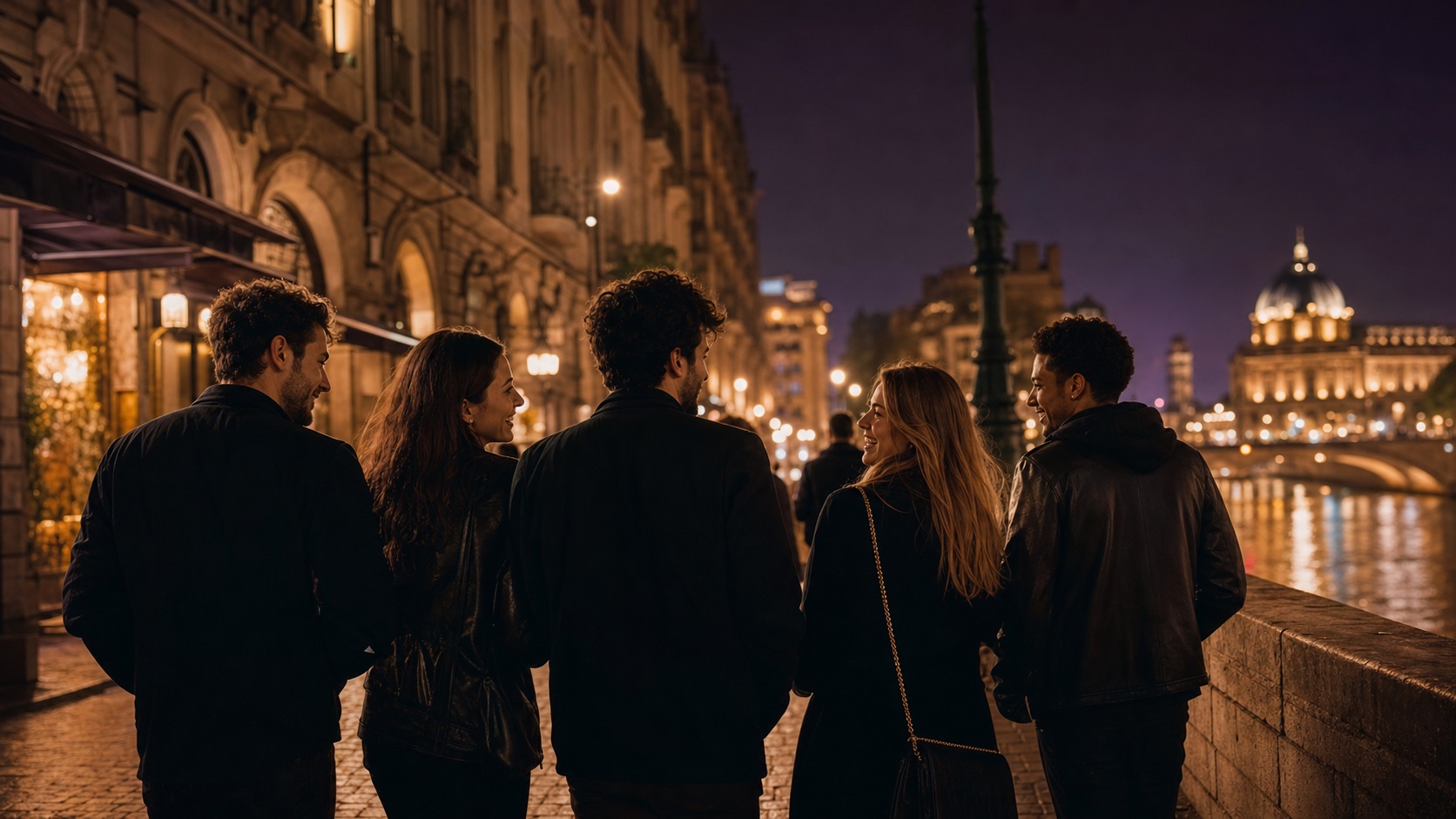
Many people are not choosing isolation because they dislike the outside world. They are choosing the version of the night that feels least risky: staying home, watching the plan pass by, and promising themselves they will go next time.
The missing piece is often not the event. It is the social bridge around the event: who is going, whether it feels welcoming, and whether showing up alone feels possible.
People don't stay home because nothing is happening. They stay home because they don't know who to go with.
Technology Isn't the Enemy
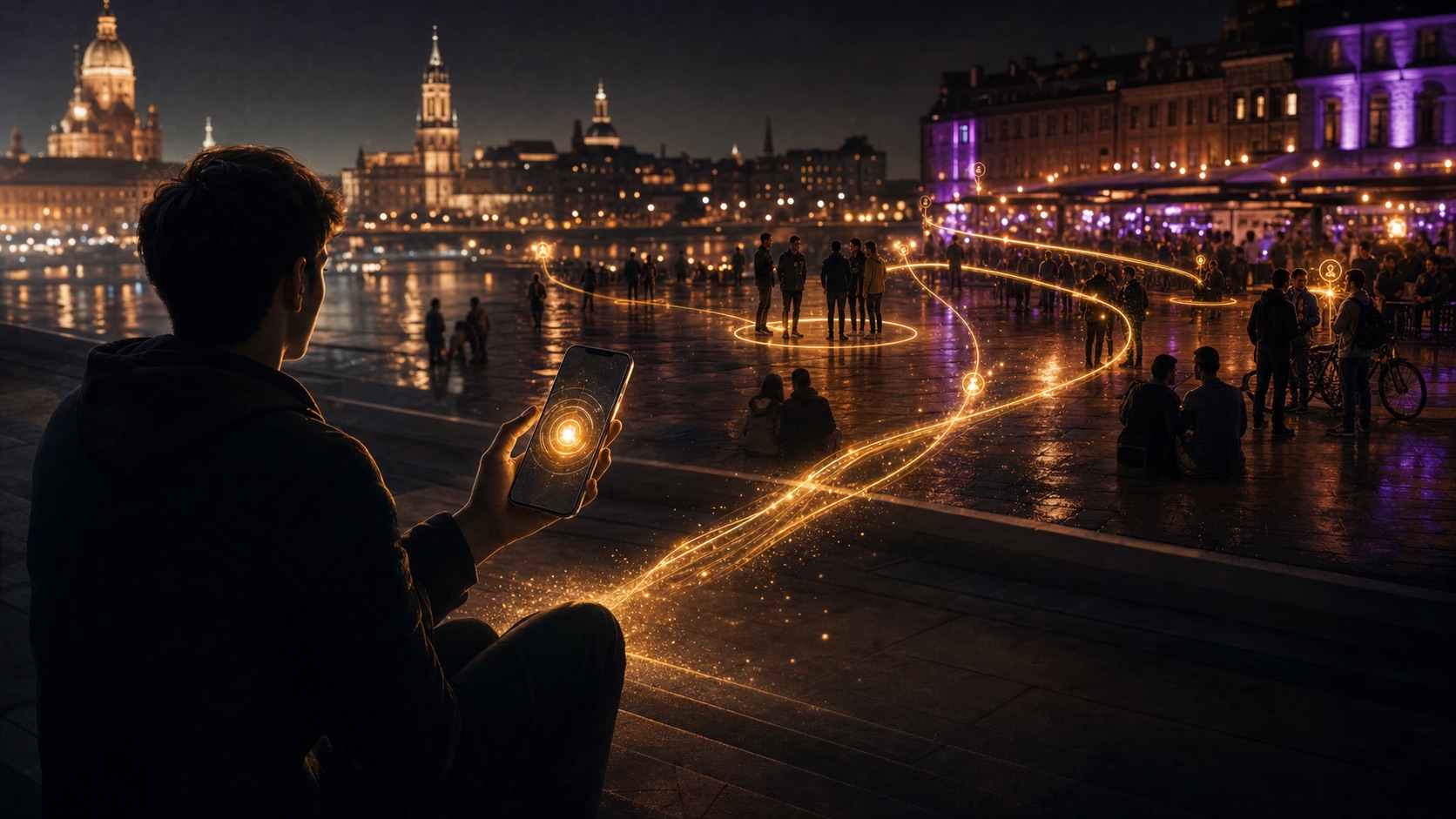
Technology is often criticized for making people feel isolated and disconnected. Social media platforms, endless scrolling, and virtual interactions have undoubtedly changed the way individuals communicate. However, technology itself is not the problem. The real issue lies in how it is used. While many platforms focus on keeping users engaged on their screens, technology also has the potential to bring people out into the real world and foster genuine human connections.
This belief forms the foundation of Tonyte. Instead of encouraging passive online interactions, Tonyte is designed to help people discover exciting events, create spontaneous plans, and meet individuals who share similar interests and energy. The platform recognizes that some of the best experiences often happen at places we have never visited before, with people we may not have met otherwise. Whether it is attending a music night, joining a campus gathering, exploring a local café, or participating in a community event, Tonyte aims to transform online discovery into meaningful offline experiences.
By helping users find events and social plans that match their vibe, Tonyte acts as a bridge between the digital and physical worlds. It encourages people to step outside their comfort zones, explore new places, and create authentic connections through shared experiences. In this way, technology becomes more than just a screen—it becomes a gateway to real conversations, friendships, and memorable moments.
Technology becomes powerful when it moves people from discovery into real life.
Looking Ahead
As society continues to adapt to life after the pandemic, the importance of meaningful social interaction has never been greater. People are actively seeking opportunities to reconnect, explore new experiences, and rebuild the sense of community that was disrupted during years of isolation. The future of social networking is no longer limited to likes, comments, and virtual interactions; it lies in facilitating real-world experiences that bring people together.
Platforms like Tonyte represent this new generation of social technology. By enabling users to discover events, create plans, and connect with others who share similar interests, Tonyte seeks to make socializing more accessible and spontaneous. It encourages individuals to move beyond their existing social circles and embrace new experiences in unfamiliar yet exciting environments.
Looking ahead, the goal is not simply to help people meet but to help them create meaningful experiences. Every event attended, every plan joined, and every new place explored has the potential to introduce someone to lifelong friendships, valuable networks, or unforgettable memories. As people continue to prioritize experiences and authentic connections, platforms that facilitate these interactions will play an increasingly important role in shaping the future of social engagement.

Final Thoughts
The pandemic may have created a social gap, but it also highlighted how deeply people value genuine human connection. Despite living in an increasingly digital world, individuals still seek meaningful relationships, shared experiences, and a sense of belonging. The challenge today is not a lack of people or opportunities, but finding the right spaces, events, and communities where authentic connections can naturally develop.
This is where Tonyte aims to make a difference. By bringing together people through events, shared plans, and new experiences, the platform seeks to make socializing easier, more spontaneous, and more enjoyable. It empowers users to explore places they may have never considered visiting, meet individuals outside their existing circles, and discover communities that align with their interests and vibe.
At its core, Tonyte is built on a simple idea: some of life's best moments happen when people come together. Whether it is attending an event with strangers who become friends, discovering a hidden gem in the city, or simply sharing an unforgettable experience, every meaningful connection begins with a decision to show up. In a world that is gradually rediscovering the value of togetherness, Tonyte aspires to be the platform that helps turn plans into experiences and strangers into connections.
Ready to Experience Your City Differently?
Discover events, create plans, and find the people who make showing up feel easier.